

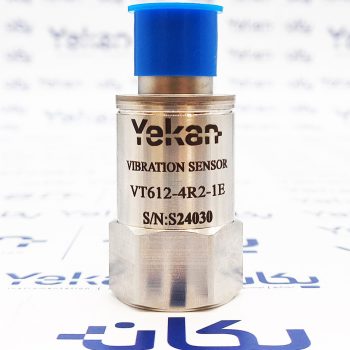
Vibration Velocity Sensors
Vibration velocity sensors measure vibration velocity in industrial machinery and are widely used for condition monitoring on rotating equipment. Their output helps assess overall vibration severity and detect unusual changes in machine condition.
Vibration velocity is commonly measured on electric motors, pumps, fans, gearboxes, compressors, and other rotating equipment. Rising vibration velocity can indicate imbalance, misalignment, mechanical looseness, bearing damage, or other mechanical faults.
Vibration Velocity Sensorare available in several designs. Some provide a direct velocity output. Other systems calculate vibration velocity from the Accelerometer signal using signal processing. The output depends on the sensor and monitoring system.
When choosing a vibration velocity sensor, consider frequency response, measurement range, output, sensitivity, environment, mounting method, and machine type. Sensor location and measurement direction affect data quality and the comparability of readings.
These sensors can be used with Condition Monitoringsystems, online monitoring equipment, vibration monitors, and industrial control systems. A standard 4–20 mA output can send the vibration reading to a PLC or DCS for continuous machine monitoring.
When replacing a vibration velocity sensor, check the Part Number, output type, connector, measurement range, and compatibility with the existing system. Sensors that look alike can have different electrical specifications and performance.
Browse vibration velocity sensors by brand, model, and part number. Choose the sensor based on the machine, operating conditions, and existing measurement or monitoring system to obtain reliable condition data.